Willa Flores · 5 September 2026
Shifts in Online Credibility Following Platform Relocations: A Detailed Examination
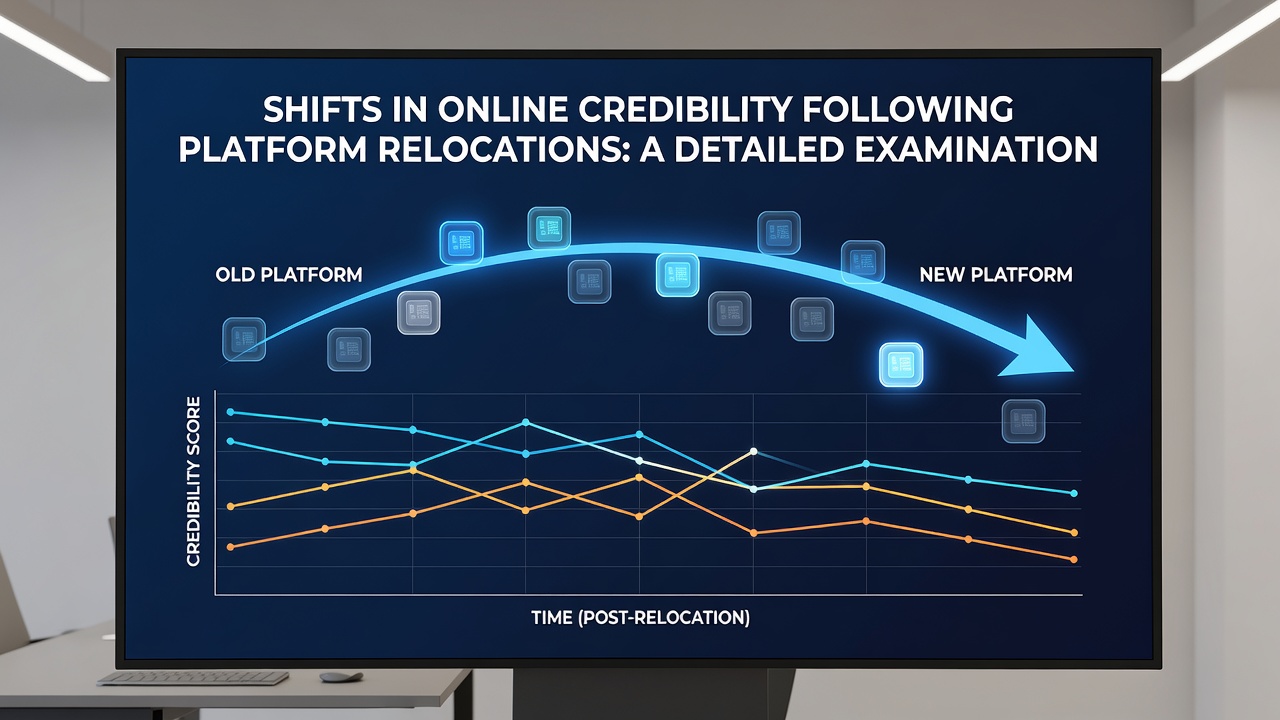
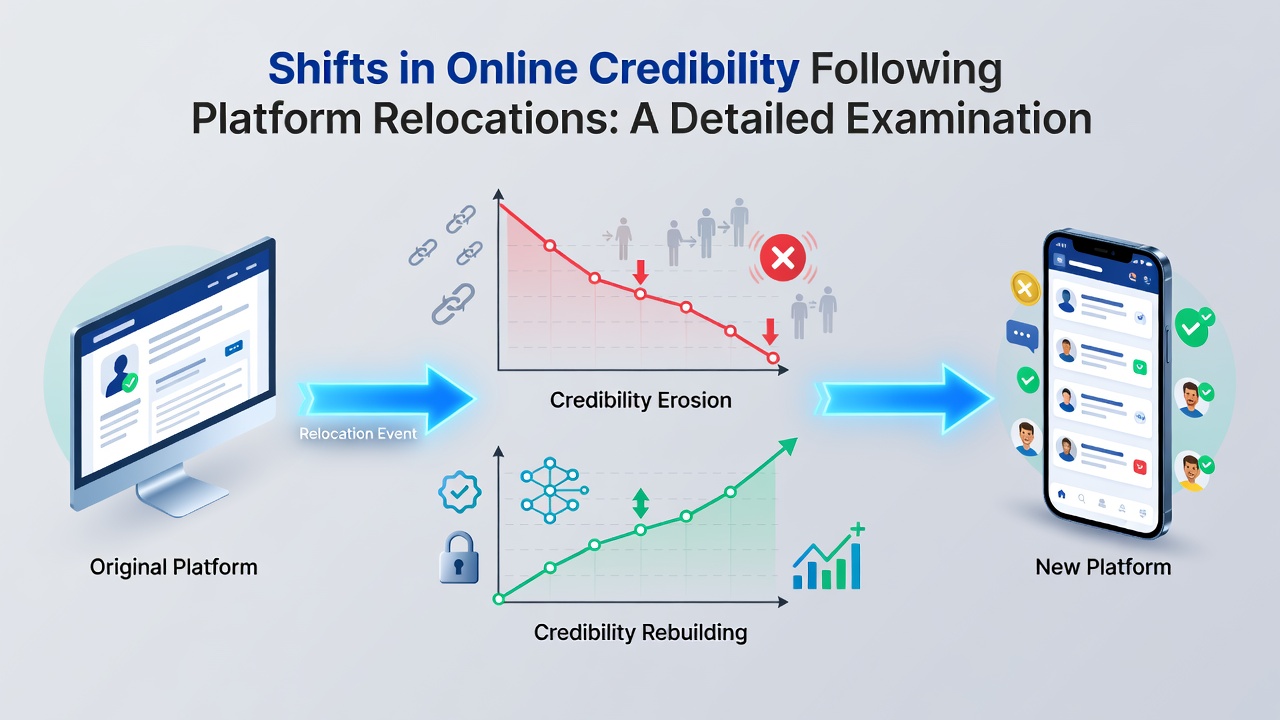
Platform relocations involve moving digital properties from one hosting environment or domain structure to another, and researchers have documented measurable shifts in how audiences perceive credibility during these transitions because search algorithms and user behavior patterns respond directly to changes in technical signals such as HTTPS implementation, redirect chains, and content continuity. Data from multiple tracking services shows that sites undergoing full domain migrations often experience temporary drops in referral traffic while new authority indicators rebuild, yet recovery timelines vary based on the quality of migration planning and the strength of existing backlink profiles. Observers note that credibility erosion appears most pronounced when users encounter broken links or inconsistent branding, whereas seamless transfers that preserve metadata and maintain consistent contact information tend to limit negative perception shifts.
Technical Factors That Influence Post-Relocation Trust
Search engines evaluate relocated platforms through a combination of crawl frequency, indexation speed, and historical domain data, so any interruption in these processes can alter visibility rankings and, by extension, user confidence in the site's legitimacy. Studies conducted by academic institutions have found that prolonged periods of reduced crawl access correlate with lower trust scores in automated reputation models, particularly when the move coincides with changes in server location or content delivery networks. Those who have examined migration logs report that proper implementation of 301 redirects preserves equity from prior URLs, while incomplete redirect maps lead to fragmented authority distribution across old and new addresses. What's interesting is how security certificates play a role, since users who see certificate warnings during the transition phase often abandon visits at higher rates according to aggregated browser telemetry from North American analytics firms.
Observed Patterns in Audience Behavior
Users frequently reassess credibility after platform changes because relocation announcements can trigger uncertainty about continuity of service or ownership, and surveys administered by consumer protection agencies in the European Union have recorded increased skepticism when migration notices lack clear timelines or verification steps. Data indicates that repeat visitors show greater tolerance for temporary disruptions compared with new audiences who lack prior context, leading organizations to prioritize email notifications and social media updates that reinforce brand consistency throughout the process. Researchers discovered that sites maintaining active community forums during relocation periods retained higher engagement metrics, while those that went silent experienced steeper declines in return visits and external mentions. But here's the thing: geographic differences emerge in these patterns, with audiences in regions served by stricter digital services regulations displaying quicker recovery once technical stability returns.
Regulatory Context and September 2026 Developments
Anticipated updates to digital platform standards scheduled for September 2026 are expected to introduce new requirements for transparency during infrastructure changes, and preliminary guidance from the Australian Competition and Consumer Commission highlights the need for documented migration plans that address consumer notification and data continuity. These forthcoming rules build on existing frameworks that already require clear disclosure of ownership transfers, so organizations planning relocations have begun aligning their processes with the expected criteria to avoid compliance gaps. Evidence from earlier regulatory shifts in Canada suggests that proactive adherence reduces the duration of credibility dips because users receive consistent information from official channels rather than relying on third-party speculation. Industry reports compiled by research institutions further show that sectors with higher baseline trust levels, such as financial services and healthcare information portals, recover faster when they align migration communications with regulatory expectations.
Comparative Analysis Across Sectors
E-commerce platforms that relocated in recent years demonstrated faster credibility restoration when product catalogs remained fully accessible and payment systems operated without interruption, whereas media outlets experienced more variable outcomes tied to the preservation of author archives and comment histories. Academic analyses of nonprofit organizations reveal that mission-driven sites often leverage relocation announcements as opportunities to reaffirm values, which can offset technical disruptions if supporters perceive the move as an upgrade rather than a risk. Government portals moving between domains provide another reference point, since these entities typically publish detailed migration roadmaps that cite Federal Trade Commission best practices on consumer data protection during transitions. Those who've tracked these cases note that cross-border moves introduce additional variables related to data residency laws, yet organizations that address these factors early maintain steadier trust metrics.
Conclusion
Platform relocations continue to reshape online credibility through a combination of technical execution, communication strategies, and alignment with evolving regulatory expectations, and the patterns observed across multiple sectors indicate that preparation and transparency remain central to minimizing negative shifts. Figures from ongoing monitoring services reveal that sites implementing comprehensive migration protocols experience shorter periods of reduced visibility, while those addressing user concerns directly see steadier retention of established audiences. As September 2026 approaches, organizations preparing for infrastructure changes will likely incorporate the new transparency standards into their planning to support continued trust signals.