Willa Flores · 19 September 2026
Insights into Trust Building Mechanisms During Web Hosting Transitions for Specialized Platforms
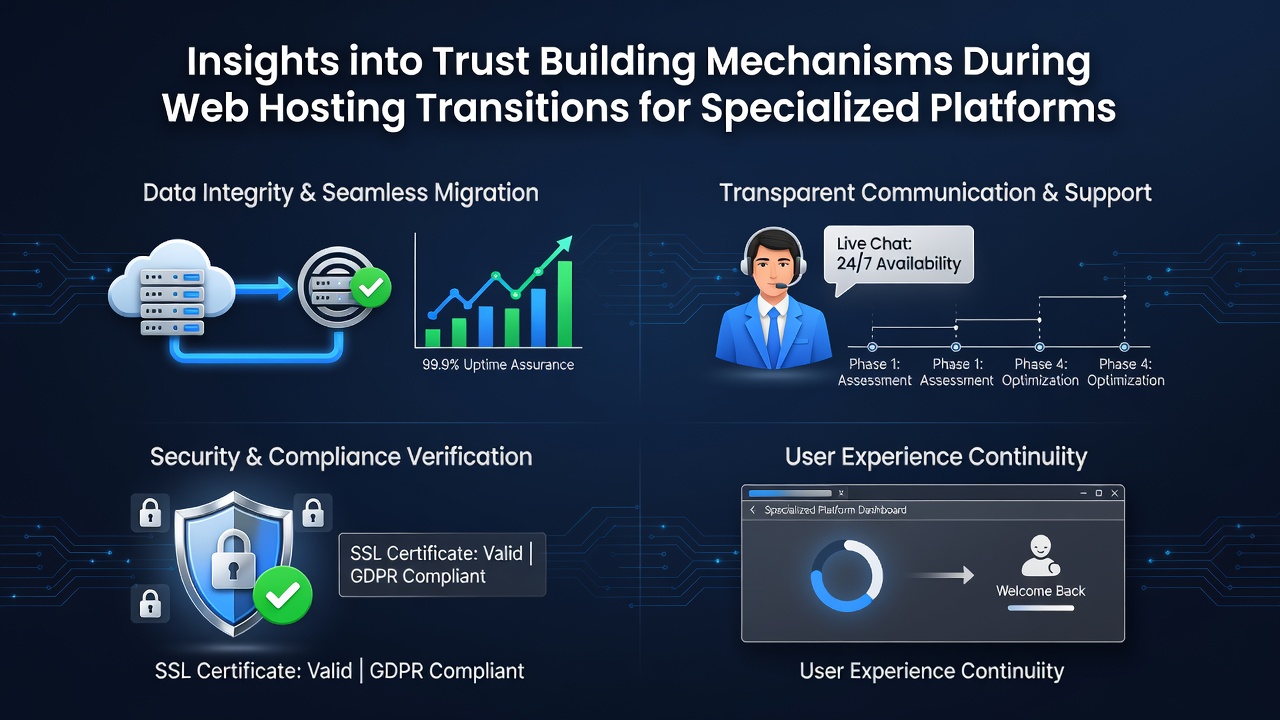
Specialized platforms often face unique pressures when shifting web hosting providers because users expect uninterrupted service alongside robust data protection throughout the entire process and researchers have documented how these transitions can strain established relationships if not handled with precision. Data from multiple industry analyses shows that effective trust building relies on structured communication protocols combined with verifiable technical measures that demonstrate continuity and security at every stage and observers note that platforms which prioritize transparency tend to retain higher user retention rates during such changes.
Core Elements of Trust During Hosting Shifts
Trust mechanisms typically center on three interconnected areas that include proactive disclosure of migration timelines and risks, implementation of encryption standards during data transfers, and independent audits that confirm compliance with established benchmarks and experts have observed that platforms serving niche communities such as educational tools or professional networks benefit particularly from these steps because their audiences often maintain heightened sensitivity to service disruptions or privacy lapses. In September 2026 industry reports indicated that specialized platforms adopting phased migration strategies achieved smoother user acceptance compared with abrupt cutovers and this pattern emerged across various sectors where clear milestone updates were shared via email campaigns and dedicated status dashboards.
Those who study platform migrations frequently highlight the role of third-party certifications in reinforcing credibility and organizations that obtain renewed SSL validations or SOC 2 attestations before and after the move provide tangible proof that security postures remain intact and data from compliance records reveals reduced incident reports when such verifications occur at regular intervals throughout the transition period.
Communication Frameworks That Support User Confidence
Effective outreach begins well in advance of any server changes with detailed announcements that outline expected downtime windows, data handling procedures, and contingency plans for unexpected issues and research indicates that platforms using segmented messaging tailored to different user groups maintain stronger engagement levels during these periods. Updates delivered through multiple channels including in-app notifications and public blog posts help ensure that information reaches stakeholders regardless of their preferred contact method and analysts have recorded higher satisfaction scores when platforms also offer direct support lines staffed by personnel familiar with the migration specifics.
According to resources from the National Institute of Standards and Technology, clear documentation of access controls and logging practices during transitions reduces perceived vulnerabilities and specialized platforms that publish these details in accessible formats allow users to verify protections independently. This approach aligns with broader patterns seen in technical migrations where openness about potential attack surfaces correlates with sustained user trust metrics over time.
Technical Safeguards and Verification Processes
Encryption protocols applied to data in transit and at rest form a foundational layer of protection during hosting transitions and specialists recommend end-to-end encryption combined with checksum validations to confirm that files arrive unaltered at the new destination. Monitoring tools deployed before the switch enable real-time detection of anomalies which in turn supports rapid response if irregularities surface and studies from academic institutions show that platforms incorporating automated integrity checks experience fewer post-migration discrepancies reported by end users.
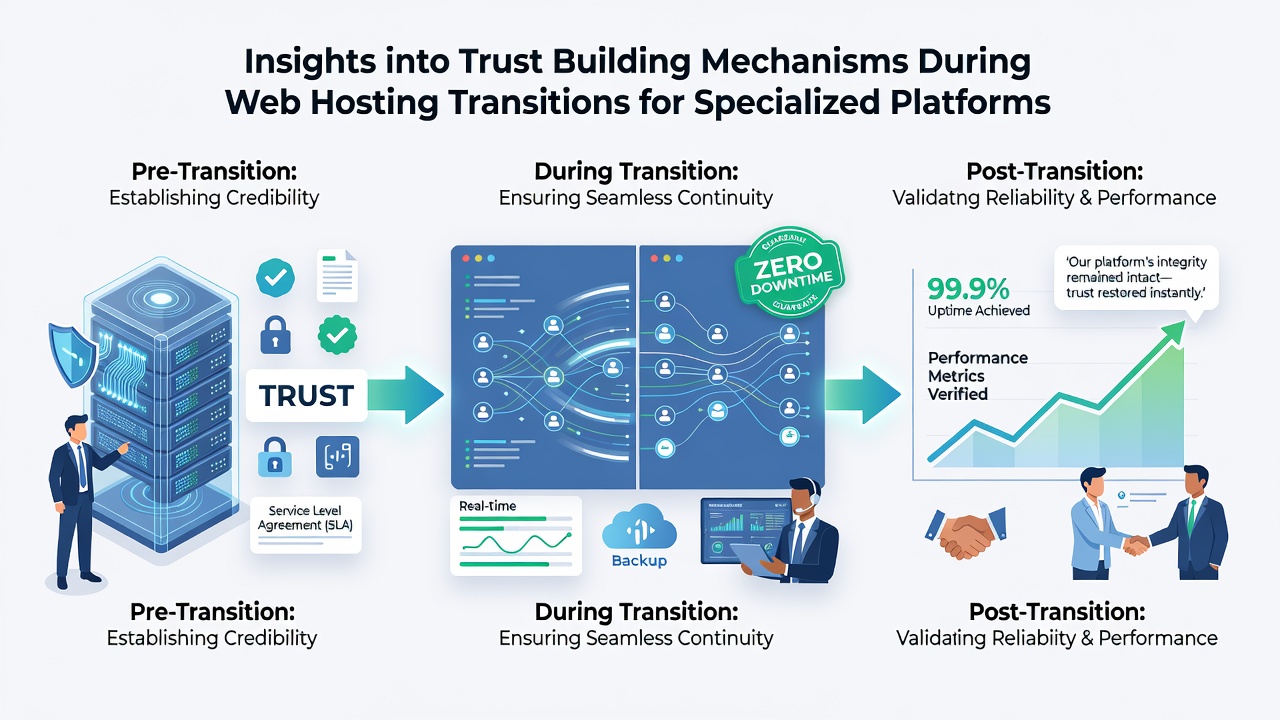
Post-migration verification often involves comprehensive penetration testing and vulnerability scans conducted by external parties to confirm that the new environment meets or exceeds prior security levels and data collected from such assessments frequently guides subsequent refinements to access policies or backup procedures. The European Union Agency for Cybersecurity has released frameworks that outline recommended testing sequences for cloud-based environments and platforms referencing these sequences report improved alignment with regulatory expectations across multiple jurisdictions.
Long-Term Strategies for Sustained Trust
After the transition completes ongoing transparency measures such as regular security reports and user-accessible audit summaries help convert short-term confidence into lasting relationships and platforms that continue publishing performance benchmarks demonstrate commitment to accountability. Integration of feedback mechanisms allows operators to address emerging concerns promptly and historical records indicate that iterative improvements based on user input strengthen overall platform resilience following hosting changes.
Conclusion
Trust building during web hosting transitions for specialized platforms depends on coordinated application of communication, technical, and verification practices that together create verifiable continuity for users and available evidence from regulatory and research sources confirms that structured approaches yield measurable benefits in retention and satisfaction metrics. As platforms prepare for future shifts they continue to draw on established guidelines to refine these mechanisms and maintain operational integrity across evolving hosting landscapes.